
SLN makes it easy and affordable for weight loss surgery patients to achieve sustainable weight loss.
95% of Sarah Lynn Nutrition patients pay $0 out of pocket!


Sarah Lynn Nutrition accepts hundreds of insurance plans nationwide





Perimenopause and menopause are pivotal transition periods in a woman’s life. Aside from the loss in menstruation, menopause is accompanied by a variety of changes, including weight gain, fat redistribution, decreased bone mass, decreased skeletal muscle mass, and cholesterol fluctuations. Women may also experience symptoms such as increased hunger, sleep disturbances, hot flashes, vaginal/bladder problems, concentration issues, and mood changes.
Change is a natural and healthy part of the human experience, and those changes are a normal part of the female life cycle. Being a woman is a beautiful gift worthy of being embraced. Every woman’s experience is unique, and not everyone will encounter all these symptoms. With the right strategies, you can navigate menopause in a way that optimizes your quality of life and allows you to celebrate your womanhood.

In addition to its crucial role in menstruation, estrogen serves several other vital functions. It supports the growth and development of the female reproductive system, promotes fat distribution around the hips and breasts, lowers bad cholesterol (LDL) levels while raising good cholesterol (HDL), slows bone breakdown to preserve bone mass, helps maintain muscle strength, and even suppresses appetite.
As women transition through menopause, understanding the role of macronutrients becomes increasingly important in managing health and weight. A macronutrient is a type of nutrient that provides the body with energy or calories. Three types of macronutrients exist: carbs, fats, and proteins. Consuming an appropriate amount of high-quality macronutrients can be key to regulating menopause.
Weight gain is the most common complaint women have when consulting a clinical dietitian during menopause. Weight gain during menopause is a normal and natural process and occurs primarily due to decreased calorie needs. Women gain an average of 22 pounds between 40 and 60 years old. Decreased calorie needs during menopause are often linked to factors like sleep disturbances, loss of muscle mass, and reduced physical activity.

In addition, lower estrogen levels can cause fat to redistribute, with more fat being stored around the waist and less around the hips and breasts. These changes can create a snowball effect: hot flashes and weight gain can disrupt sleep, leading to reduced energy levels, which in turn decreases physical activity, further contributing to weight gain and sleep issues. Addressing these symptoms at their root and breaking these cycles is essential for effective long-term menopause management.
There is no universal calorie recommendation because calorie needs are individualized to each person. A registered dietitian can give you a calorie goal based on certain factors, including age, gender, height, weight, physical activity, and lifestyle.
If you’re experiencing weight gain, it may be a sign that your calorie intake exceeds your body’s needs. However, it is important to note that a scale does not account for changes in muscle, fat, and fluid mass. Weight can fluctuate day to day, so it is important to monitor the overall trend rather than daily fluctuations when monitoring for true changes in weight.
Protein is one of the three macronutrients that provide calories and energy for the body. Similar to calorie needs, protein needs are individualized to each person. The RDA suggests 10-35 percent of your daily energy intake comes from protein. Protein is needed for muscle growth, repair, and maintenance. The more muscle mass you have, the higher your energy needs are. Increasing muscle mass can help offset the decreased calorie needs experienced during menopause. This is because muscle is a moving tissue that requires more energy to fuel.
Optimizing muscle mass involves both weight training and adequate protein intake. Consuming adequate protein without weight training or weight training without sufficient protein intake are both inefficient ways to optimize muscle mass. To optimize muscle mass during menopause, aim to consume a high-quality protein source with each meal. Incorporating protein-rich foods like lean poultry, fish, eggs, low-fat dairy, and plant-based options such as beans or tofu helps support muscle repair and growth. Red meat also contains high-quality protein but should be limited due to its high saturated fat content.

Menopause can increase the risk of heart disease. This is because decreased estrogen in menopause can lead to decreased HDL (good cholesterol) and increased LDL (bad cholesterol). Exercising and consuming healthy sources of fat can be protective in ensuring appropriate LDL and HDL levels. Healthy fats are typically liquid at room temperature and are found in foods like nuts, seeds, and fish. They should be consumed regularly as part of a balanced diet.
In contrast, saturated fats, commonly found in animal products like red meat, butter, cheese, and prepackaged snack foods, are solid at room temperature (e.g., butter, coconut oil, and lard) and should be eaten in moderation. Incorporating more healthy fats into your diet can help protect against heart disease and support overall health.
Carbohydrates often are given a bad reputation, but they are essential for fueling the brain, which relies on carbs as its primary energy source. Healthy carb options include fruits, starchy vegetables, whole grains, high quality dairy, and beans.
During menopause, decreased estrogen levels can increase hunger signals, but a fiber-rich diet can help regulate these signals. Fiber also plays a role in binding and removing cholesterol, promoting heart health. Choosing nutrient-dense carbohydrate sources is an effective strategy for supporting your body through the changes that occur during menopause.
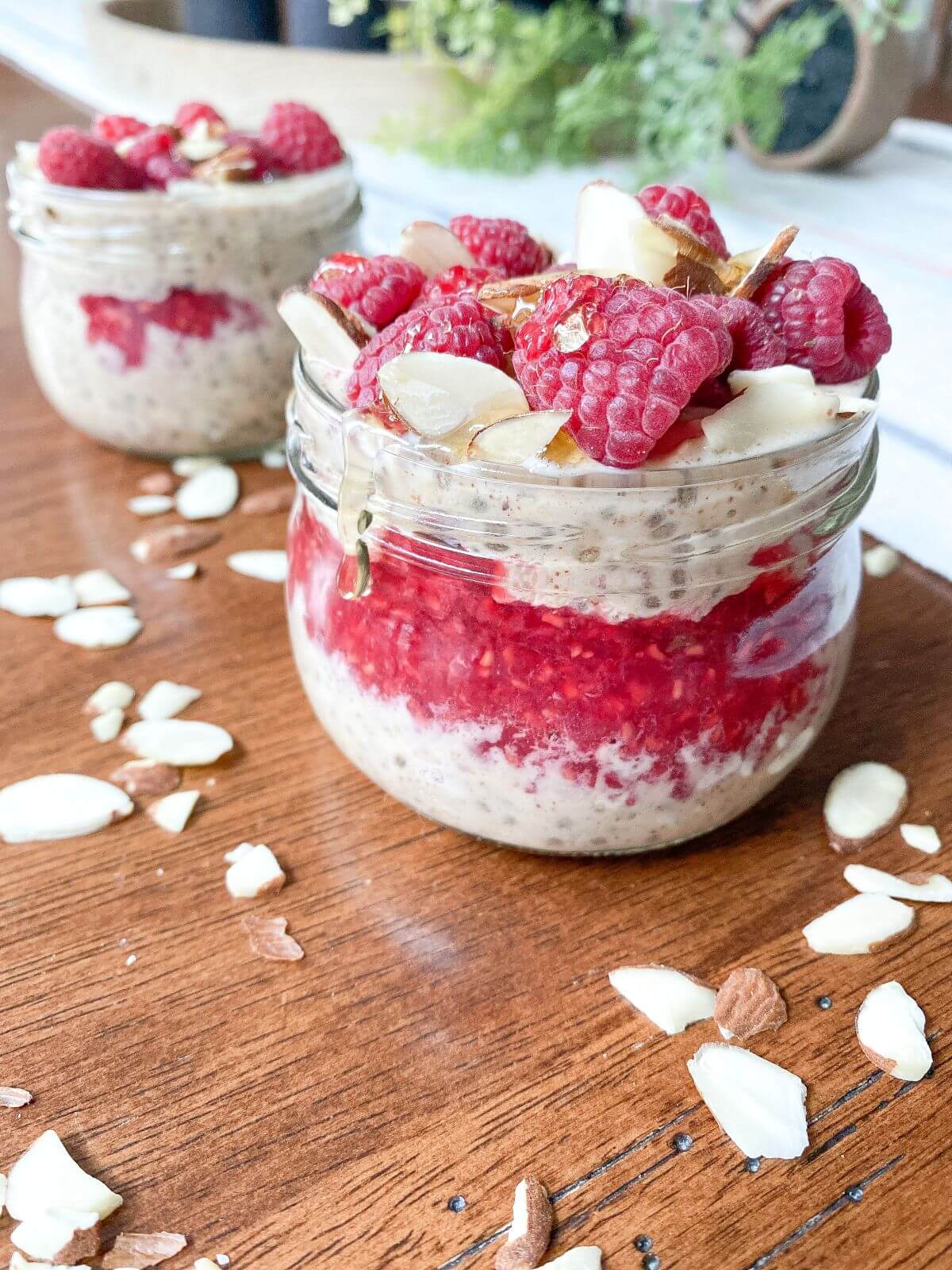
Decreased estrogen levels during menopause can significantly accelerate the breakdown of bone tissue. The breakdown of bone tissue can increase the risk of osteoporosis, a condition that weakens bones and makes them more susceptible to fractures. This risk is further heightened by inadequate calcium intake, which is essential for maintaining strong bones. It is important to consume a diet rich in calcium, paired with regular weight-bearing exercises such as walking, jogging, or resistance training to help maintain bone density.
The recommended daily calcium intake (RDA) is 1,000 mg for adults aged 19-50 and 1,200 mg for those 51 and older. Incorporating calcium-rich foods like low-fat dairy, tofu, almonds, leafy green vegetables, and fortified plant-based milk into your diet can help ensure you meet your needs. Additionally, taking a woman’s multivitamin can help fill in any gaps in calcium intake, providing extra support for maintaining bone health and reducing the risk of osteoporosis during menopause.
Menopause brings significant life changes, but diet and lifestyle adjustments can help ensure a smooth transition and empower you to embrace this new stage of womanhood. Make it a priority to consume a balanced diet rich in protein, healthy fats, complex carbohydrates, adequate fiber, and calcium to support your health during menopause.

It is also important to recognize the positive aspects of this phase, such as newfound freedom, confidence, increased focus on self-care and personal growth, and a deeper awareness of your health. Menopause can enhance your emotional resilience and adaptability, traits that can benefit many areas of life. By educating yourself about what to expect, you not only prepare yourself but can also help uplift others. Don’t let menopause pause your life—embrace it as the beginning of an exciting new chapter.
National Institute on Aging. (2021, September 30). What is menopause? National Institute on Aging. https://www.nia.nih.gov/health/menopause/what-menopause
Mayo Clinic. (n.d.). Perimenopause: Symptoms and causes. Mayo Clinic. https://www.mayoclinic.org/diseases-conditions/perimenopause/symptoms-causes/syc-20354666
Khan Academy. (n.d.). Estrogen: Overview of estrogen and its functions. Khan Academy. https://www.khanacademy.org/science/health-and-medicine/human-anatomy-and-physiology/reproductive-system-introduction/v/estrogen
National Center for Biotechnology Information. (n.d.). Impact of estrogen on the body: An overview. NCBI. https://www.ncbi.nlm.nih.gov/pmc/articles/PMC10780928/
Cleveland Clinic. (n.d.). Female reproductive system: An overview. Cleveland Clinic. https://my.clevelandclinic.org/health/articles/9118-female-reproductive-system
American College of Sports Medicine. (n.d.). Protein intake for optimal muscle maintenance. ACSM. https://www.acsm.org/docs/default-source/files-for-resource-library/protein-intake-for-optimal-muscle-maintenance.pdf
National Center for Biotechnology Information. (n.d.). Nutritional needs during menopause. NCBI. https://pmc.ncbi.nlm.nih.gov/articles/PMC3661116/
Harvard T.H. Chan School of Public Health. (n.d.). Fats and cholesterol: What should you eat? Harvard Health. https://nutritionsource.hsph.harvard.edu/what-should-you-eat/fats-and-cholesterol/